
Chiropractic Care for Babies and Young Children: Supporting Early Physical and Neurological Development
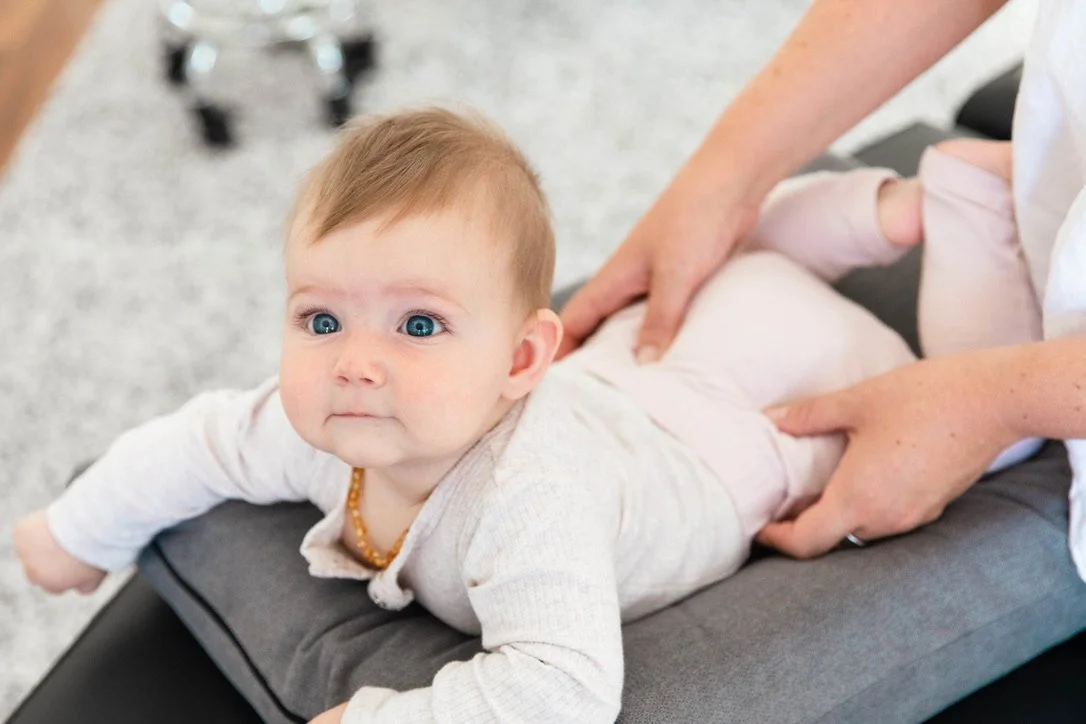
Chiropractic care for babies is gentle and safe
The first years of life are a period of extraordinary growth and development. During infancy and early childhood, the nervous system develops rapidly, movement patterns are established, and the body learns to adapt to the physical demands of the world. Many parents seek ways to support their child’s healthy development naturally, and chiropractic care is increasingly being explored as one supportive option alongside standard pediatric healthcare.
At North Shore Chiropractic, we believe in a gentle, evidence-informed approach to caring for babies and children. Pediatric chiropractic care is very different from adult treatment — techniques are light, specific, and adapted to the child’s age, size, and stage of development.

Support your child’s development with chiropractic care
Why Early Development Matters
A child’s early years are foundational for:
Postural development
Coordination and balance
Sensory processing
Motor milestones such as rolling, crawling, and walking
Nervous system maturation
Sleep and feeding patterns
The nervous system controls and coordinates every function in the body. Healthy movement, spinal mobility, and sensory input all play important roles in neurological development during infancy and childhood.
Birth itself can place significant mechanical stress on a baby’s body, particularly during long labours, assisted deliveries, or caesarean births. Even uncomplicated births involve substantial compressive and rotational forces on the infant’s spine and neck. Some practitioners propose that gentle manual assessment may help identify areas of tension or restricted movement that could influence comfort and movement patterns.

Difficult births place trauma on neck and spine
What Does Pediatric Chiropractic Care Involve?
Chiropractic care for babies and young children uses extremely gentle pressure — often no more than the amount used to test the ripeness of a tomato. Techniques may involve light fingertip pressure, soft tissue work, stretching, and movement-based approaches.
Common reasons parents seek chiropractic care for children include:
Feeding difficulties
Colic
Torticollis (head tilt or side preference)
Flat spots on the head (plagiocephaly)
General tension or irritability
Sleep difficulties
Delayed or asymmetrical movement patterns
Postural concerns
Coordination and mobility support during growth

Chiropractic and Neurological Development
Movement and sensory input are deeply connected to brain development in infancy. Researchers in developmental neuroscience have long recognised that early movement experiences influence neural pathways, motor control, balance, and coordination.
Some chiropractic researchers propose that improving spinal motion and reducing mechanical tension may help optimise sensory feedback between the body and nervous system. While this theoretical framework is widely discussed in chiropractic literature, stronger high-quality research is still needed to determine the full extent of these effects in children.
At North Shore Chiropractic, our focus is on gentle, individualised care tailored to each child’s needs and developmental stage. We work collaboratively with parents and encourage open communication with pediatricians, midwives, lactation consultants, physiotherapists, and other healthcare providers where appropriate.
References
Misra SM, Jaber O, Long C. Chiropractic Care in Children: A Review of Evidence and Safety. Clinical Pediatrics. 2024.
Driehuis F, Hoogeboom TJ, Nijhuis-van der Sanden MWG, et al. Spinal manual therapy in infants, children and adolescents: A systematic review and meta-analysis on treatment indication, technique and outcomes. PLOS ONE. 2019.
Todd AJ, Carroll MT, Robinson A, Mitchell EKL. Adverse Events Due to Chiropractic and Other Manual Therapies for Infants and Children: A Review of the Literature. Journal of Manipulative and Physiological Therapeutics. 2015.
Holm LV, Vach W, Jarbøl DE, et al. Identifying potential treatment effect modifiers of the effectiveness of chiropractic care to infants with colic through prespecified secondary analyses of a randomised controlled trial. Chiropractic & Manual Therapies. 2021.