
Quick like a Cat - React Faster with Chiropractic
Most people think of chiropractic care as something you try when your back or neck hurts.
And yes—there is strong evidence supporting chiropractic care for certain musculoskeletal conditions.
But over the past two decades, research has begun exploring a deeper question:
Can chiropractic care influence how the brain and nervous system function?
Every movement, every change in position, and every sensation from your body is processed and integrated by your brain.
When spinal function is altered, it may affect how accurately your brain:
interprets sensory input
coordinates movement
activates muscles
This process—known as sensorimotor integration—is central to research led by Heidi Haavik.
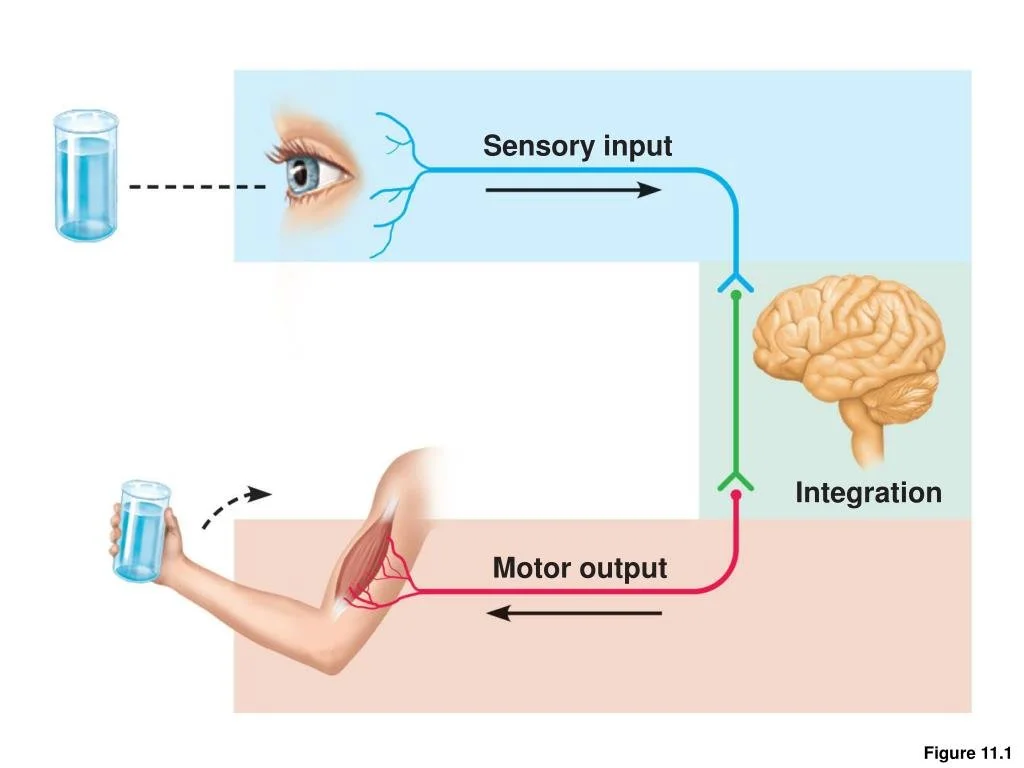
Sensorimotor integration: the brain receives information from the senses and creates a motor response.
Studies using neurophysiological tools such as EEG and transcranial magnetic stimulation have shown that spinal adjustments can produce measurable changes in brain function, even after a single session.

Evidence suggests chiropractic care can improve reaction time, co-ordination, muscle activation
Chiropractic care and athletes: small changes, big impact
For athletes, performance often comes down to milliseconds and millimetres.
Research has shown that spinal adjustments may influence:
reaction time
muscle activation (cortical drive)
movement coordination
For example, studies have demonstrated changes in how the brain activates muscles following chiropractic adjustments (Niazi et al., 2015; Haavik et al., 2016).
This suggests that:
Improving communication between the brain and body may support more efficient, coordinated movement, supporting:
neuromuscular control
movement efficiency
injury prevention strategies

Evidence suggests that chiropractic care can decrease risk of falls in elderly
Chiropractic care and ageing: why reaction time matters
As we age, one of the most important (and often overlooked) factors in maintaining independence is reaction time.
Slower reaction times are strongly linked to:
increased risk of falls
reduced balance and stability
decreased confidence in movement
A randomised controlled trial in older adults found that a course of chiropractic care improved:
reaction time
joint position sense (proprioception)
postural stability
(Holt et al., 2016)
These findings are significant because:
Even small improvements in reaction time and coordination can meaningfully reduce fall risk and support safer movement.
This shifts chiropractic from being purely “pain-focused” to potentially supporting functional ageing and quality of life.
Evidence-based Chiropractic care
Thanks to research led by neuroscientists like Heidi Haavik and her team, Our understanding of how and why chiropractic care works is evolving, giving a more integrated understanding of how the spine, brain, and body work together.
References
Haavik, H., & Murphy, B. (2007). The role of spinal manipulation in altering central processing
Niazi, I. K., et al. (2015). Changes in cortical excitability following spinal manipulation
Haavik, H., et al. (2016). Impact of spinal manipulation on cortical drive to muscles
Holt, K. R., et al. (2016). Effectiveness of chiropractic care to improve sensorimotor function associated with falls risk in older people